
 For inquiries
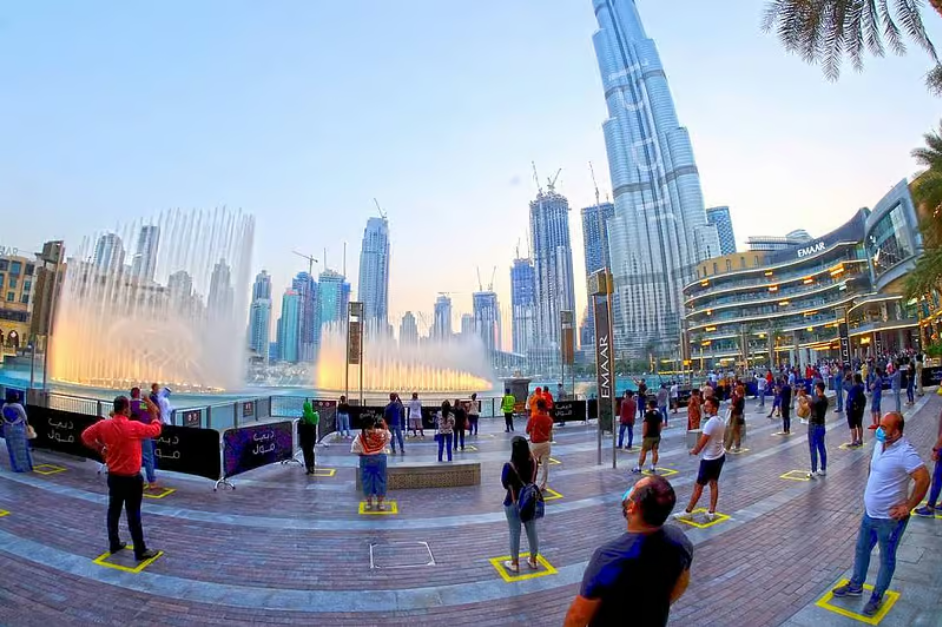
Dubai United Arab Emirates
Some properties are expected to shift from holiday homes to shared housing under Dubai’s new law, but hardly any are likely to move in the opposite direction, according to property managers.
“Some movement in one direction, and almost none in the other,” said Luis Santos, co-founder of First Class Property Management.
He said holiday homes work best in areas such as Downtown, the Marina, Business Bay and JBR, where units are furnished to a standard, priced per night and booked by tourists and residents between homes. Shared housing, he added, suits large units in older or outer areas, priced per room for budget-conscious residents.
“Owners of villas and large apartments in areas with weaker holiday demand now have a clear, legal option, and some will take it,” Santos said. “That is a sensible outcome for them, and it leaves the homes that remain with a better-matched market.
Shared housing in Dubai is being brought under stricter regulations, with more than 44 areas approved for shared accommodation. Dubai Municipality has set minimum space, safety and facility requirements, while landlords must obtain permits and comply with occupancy rules. The measures aim to curb overcrowding and protect tenants’ rights.
Shared housing is permitted across 28 communities, including Al Ras, Al Dhagaya (Deira), Al Bateen, Naif, Al Rigga, Al Muteena, Al Muraqqabat, Hor Al Anz, Al Rashidiya, Al Nahda 1, Al Qusais, Al Twar 5, Al Nahda 2, Muhaisnah 4, Karama, Oud Metha, Jumeirah 1, Al Barsha 1 and Al Warqa 1, among others.
In other areas, shared housing is permitted only in designated parts of the community. These include Abu Hail, Al Baraha, Al Hamriya, Mankhool, Al Jaffiliya, Al Hudaibiya, Al Satwa, Port Saeed, Hor Al Anz East, Al Mamzar and Al Qusais Industrial Areas 1, 2, 3, 4 and 5.
For more Information contact: www.dxrprop.ae
Call/WhatsApp: +971501090635
Email: alnashra2013@gmail.com
– To write a special article about the name of your organization or company, you can write to the following email: